
Start here ·
A 30-minute disc golf practice routine for beginners
Use three familiar discs to practice putting, approaches and controlled drives with a simple session you can repeat and adjust.

Find the right disc, understand its flight numbers, and build a better bag.
Start playing, practice a useful shot, or make sense of the discs you own.
Start here ·
Use three familiar discs to practice putting, approaches and controlled drives with a simple session you can repeat and adjust.
Start here ·
A practical guide to choosing your first disc golf discs, understanding flight numbers, selecting plastic and weight, and building a small bag.

Learn ·
Find gaps and overlap in the disc golf bag you already own. Use a practical checklist and Bag Check to decide what to test before buying another disc.
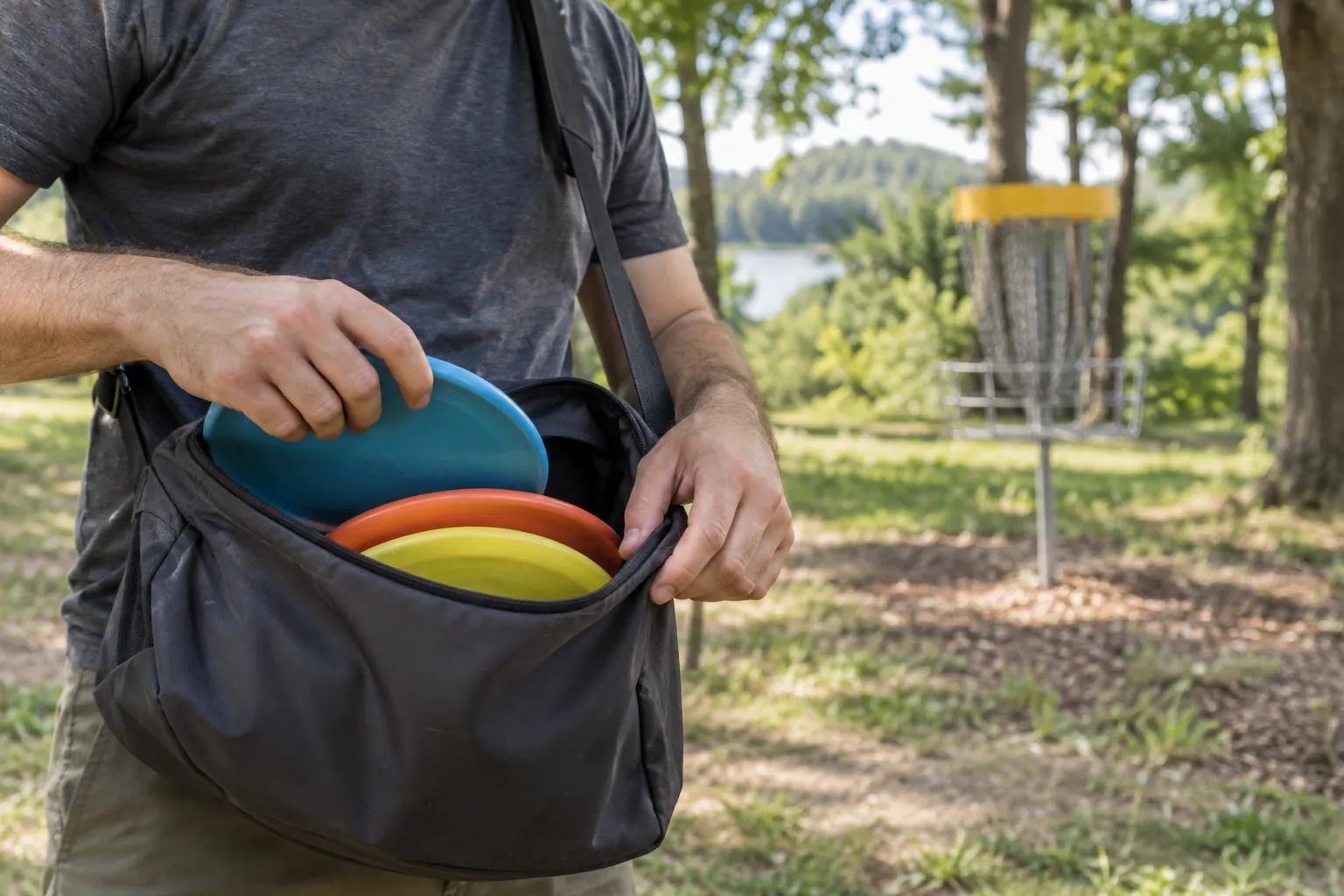
These guide images are generated illustrations of generic disc golf scenes.
A practical starting point for each job in your bag.
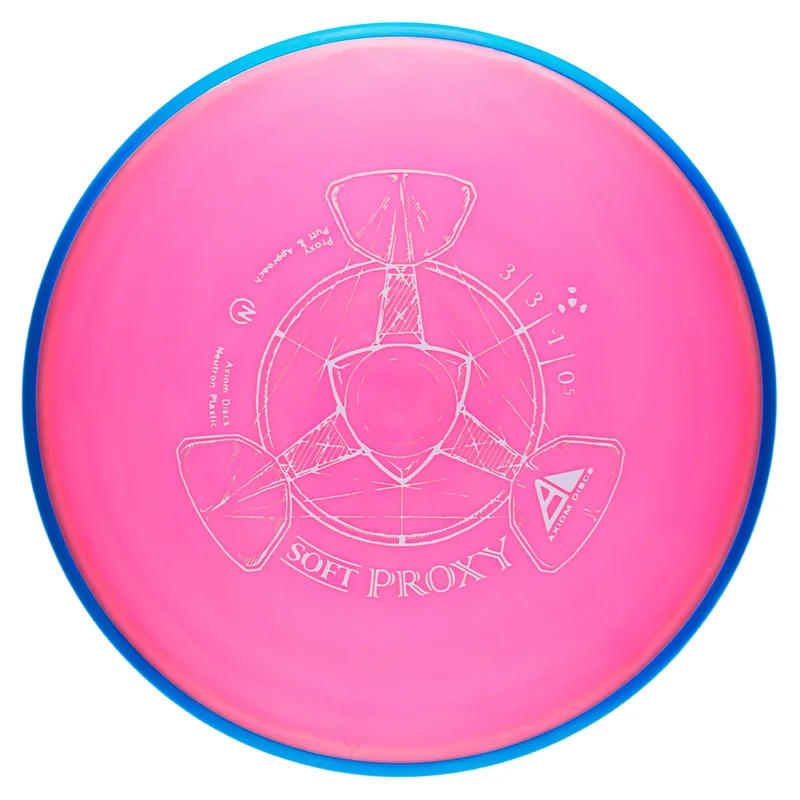
Axiom
The Axiom Proxy is a speed-3 throwing putter for short, controlled shots with very little finishing fade. Consider it when a big late curve would take you away from the basket.
Read buying guide →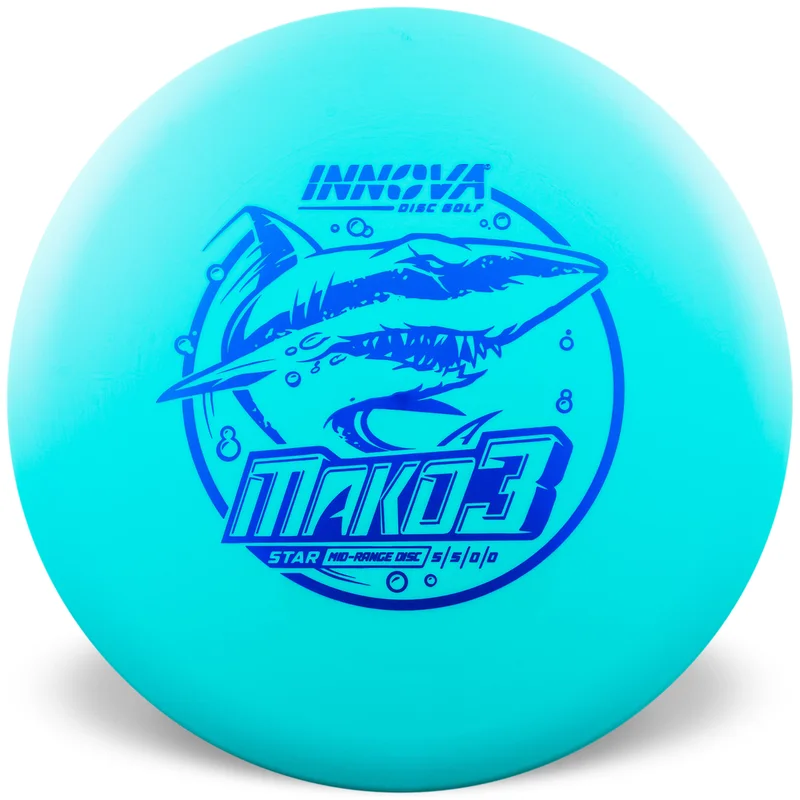
Innova
The Innova Mako3 is a neutral, speed-5 midrange built around very little finishing fade. It is our starting pick for learning release angles with one main throwing disc.
Read buying guide →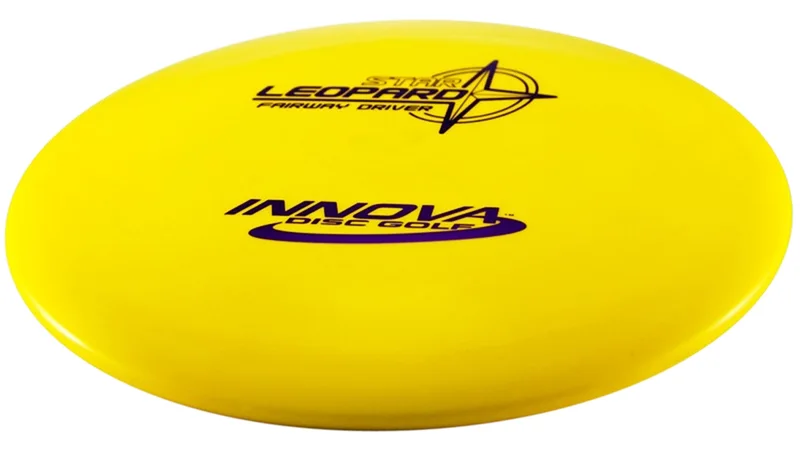
Innova
The Innova Leopard is a speed-6 fairway driver for controlled throws and turning lines. It is our first-driver pick for players ready to try a step beyond their midrange.
Read buying guide →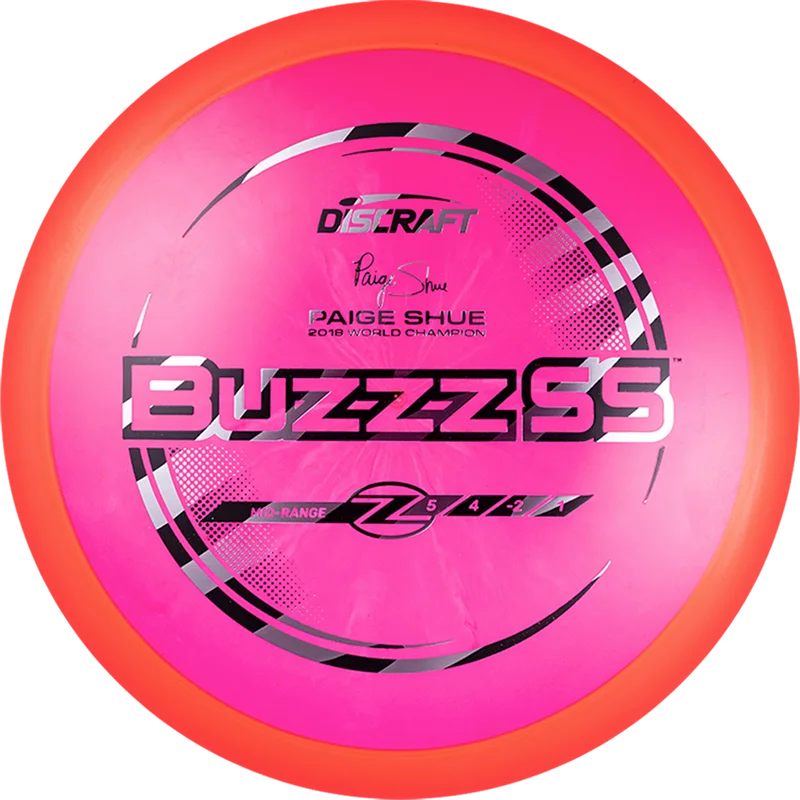
Discraft
The Discraft Buzzz SS is a speed-5 midrange for smooth turning lines with a gentle finish. This guide uses the Paige Shue Signature Series Z version.
Read buying guide →Answers to the decisions before your next purchase.
Look up flight, disc and course terms in plain English.
Search verified U.S. shop locations by city, state or ZIP code.
Pick a disc and explore its flight curve, throwing hand and finish.
Give your discs a job and check what your next purchase adds.
Compare up to three discs, ratings and recommended uses.
How disc golf doubles works: best shot and alternate shot step by step, the other PDGA formats, marking a shared lie, scoring a hole and random draw nights.
Tomahawk and thumber overhead throws in disc golf: the two grips, which way each one finishes, when to throw one, step-by-step technique and discs to try.
Disc golf etiquette for a casual round: who throws first, where to stand, when to let a group play through, safety calls, park users and the PDGA courtesy rule.
Hyzer and anhyzer are release angles, not disc types. See which edge tilts down for backhand and forehand, how each angle shapes the flight, and how to practice both.
What a distance driver is, when a fairway driver still flies farther, how to tell you are ready, and 12 distance drivers sorted by what their makers say they do.
What a midrange disc is, when to throw one and how to pick your first, with 19 midranges sorted into neutral, turning and fading flights by their flight numbers.
Throw farther in disc golf: choose a disc your arm can get up to speed, plant before you throw, learn the X-step, find the power pocket and release nose down.
Winter disc golf tips: pick plastic that stays soft in the cold, tape a long ribbon on to find discs in snow, dress in layers and know the PDGA snow rules.
How to throw a roller in disc golf: pick an understable roller disc, land it at about 45 degrees, paint the rainbow, and fix rollers that hop or roll the wrong way.
Disc golf for kids: which light discs to buy (135 g EDGE, 150-class), kid-sized distances, putting first, fun games, safety rules and PDGA junior divisions.
Play glow disc golf at night: glow discs vs glow tape vs LED lights, charging with a UV flashlight, lighting the baskets, staying safe and the PDGA rule on lights.
Throw better disc golf approach shots: pick a landing zone you can putt from, choose the right disc, use a short reach-back and plan where the disc will stop.
Learn how to putt in disc golf: grip, staggered and straddle stances, aiming at one chain link, using your legs, spin vs push putts and the 10-meter rule.
Learn the disc golf forehand (sidearm): two-finger grip, elbow-led throw, wrist snap and palm-up follow-through, plus which discs to use and how to fix wobble.
Clean disc golf discs with mild soap and lukewarm water, store them upright or in flat stacks, protect them from car heat and cold, and know when to retire one.
Learn a simple standstill backhand: grip, stance, reach-back, release and follow-through, plus fixes for wobble, rounding and nose-up throws.
Buy used disc golf discs with confidence: check the stamp, rim, wear, cracks and warping, and learn how wear changes a disc's turn and fade.
Learn the basic disc golf rules: teeing off, throwing order, marking your lie, putting inside 10 meters, out-of-bounds, lost discs and scoring.
Learn power, fan, modified fan, putting and forehand grips with clear illustrations, plus how to adjust for putters, midranges and driver rims.
Learn the hyzer-flip release, choose a suitable midrange or fairway driver, and adjust when your disc stays on hyzer or turns too far.
Spend less time looking for discs. Why we prefer bright pink, which colors blend into grass and leaves, and what to check before buying.
Find your next disc with 10 picks for putting, approaches and controlled drives. Compare flight numbers, strengths and tradeoffs for your recreational bag.
Choose discs for headwinds, tailwinds and crosswinds, with practical approach examples and a simple way to test the discs already in your bag.
Choose a disc weight for your first driver, putter or midrange. Learn when lighter discs help, what to consider in wind and how to compare two weights.
Start with an Aviar and Mako3, decide when a Leopard helps, and compare starter sets with individual discs before building your first bag.
What speed, glide, turn and fade mean on a disc golf disc, how to read a rating such as 5 / 5 / 0 / 0, and how to use flight numbers to narrow a choice.
Compare DX, Star and Champion for grip, wear and cost, with practical choices for a putting putter, a throwing disc and your first driver.
Understable vs overstable discs explained: separate turn from fade, see what “stable” usually means, and choose the stability that fits your shot.
Leopard, TeeBird, Escape or Firebird: four different jobs, not four upgrades.
How to choose for the basket, the tee and short approaches without overfilling your bag.
Understand the differences before buying a second disc.
Disc comparison
Aviar vs Judge: compare Innova and Dynamic Discs flight numbers, see how the beadless Aviar and beaded Judge differ in hand, and choose the putter that fits your grip.
Read comparison →Disc comparison
Leopard vs Leopard3: compare Innova's flight numbers, see what one extra point of speed changes and choose the fairway driver that fits how you throw.
Read comparison →Disc comparison
Buzzz vs Buzzz SS: compare Discraft's flight numbers, see how much more the SS turns, and choose the midrange for your shots, plus where the Buzzz OS fits.
Read comparison →Disc comparison
Compare Mako3 vs Buzzz flight numbers, understand the difference from a Buzzz SS, and choose a midrange by the shot you need.
Read comparison →Disc comparison
Compare Hex and Mako3 flight ratings, choose a first midrange and check whether carrying both adds a useful shot to your bag.
Read comparison →Disc comparison
Compare Hex, Buzzz and Buzzz SS flight numbers side by side, see how their turn and fade differ, and choose the midrange that fits the shot you need.
Read comparison →Disc comparison
Compare Axiom Proxy and Envy flight numbers, see how much finishing fade each adds, and choose a throwing putter for the short shots you play.
Read comparison →Manufacturer flight numbers. Select a disc for version details and buying advice.
Our starting picks are a DX Aviar for putting and a Mako3 for general throws. Add a Leopard when a fairway driver gives you a useful extra shot. Read the first-bag guide.
They describe speed, glide, turn and fade. They are manufacturer ratings, not exact predictions of your throw. Learn how to read them.
You can start with one. Separate discs make sense when you want a different grip or approach shape. Compare the two roles.
Homepage course scene: generated illustration.